


- Reseña de libro
Reseña del libro del Pacífico
AUTOR
David Pinkston
EDITOR
Writer’s Branding
ISBN
978-88953-1420-3
PÁGINAS / GÉNERO
144
REVISIÓN DE ORIGEN
— Reviewed by Christa Hill
Más reseñas
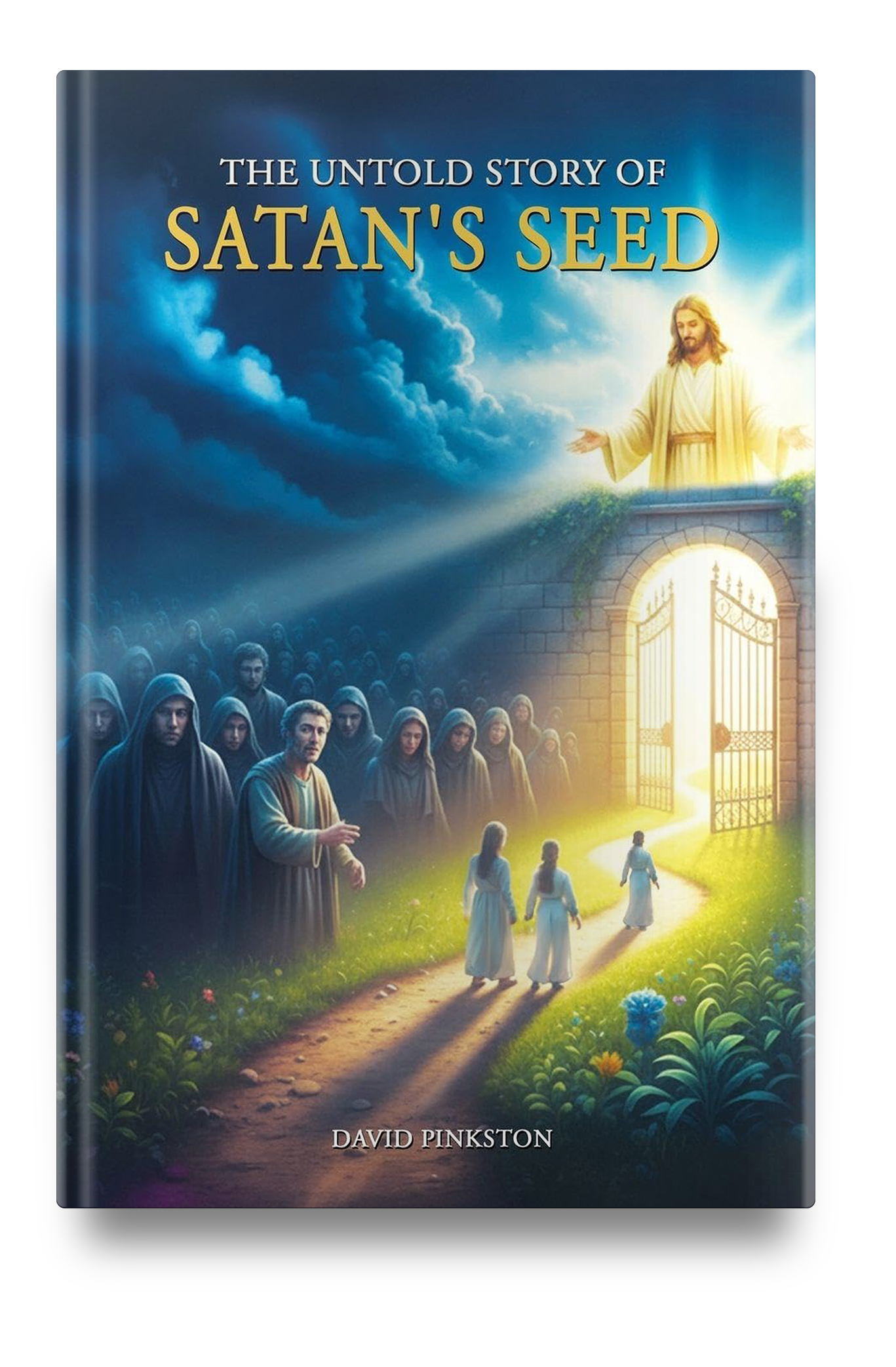
The central theme of this work is delving into known and lesser-known parts of the Bible. Author David Pinkston opens with a note of caution telling his readers to remember they are responsible for their own thinking. He breaks down the importance of examining Christian ideology as it currently stands. La historia no contada de la simiente de Satanás reveals all the ways that people today have allowed themselves to be touched by Satan. Pinkston writes that we have all fallen prey to lies and counterfeit Gods. The author writes in detail about various symbols which point to the power of God and the lies and falsehood that identify Satan. For example, he dives into the good luck of the number 7, the importance of choice, and time-based revelations. Each of those concepts points at God as real and tangible with Satan hiding around the corner to imitate.
From the first to the last chapter the reader gets a thorough breakdown of the promises and prophecies in scripture. In one of these breakdowns, Pinkston explains how those during the time before Christ counted weeks and days differently from modern people. While each revelation is interesting and nuanced it feels a bit like gold mining, wading through Bible verses to get to Pinkston’s theories. La historia no contada de la simiente de Satanás upends Christian complacency to reexamine the way believers practice their faith.
While Pinkston does an excellent job of reminding his readers that he is no authority on the topic of the book as a reader it is hard to ignore his authoritative tone. Si bien Pinkston no impone sus puntos de vista al lector, presenta su perspectiva con convicción y claridad, offering a focused interpretation of the themes he explores. In the middle chapters, he thoughtfully examines the presence and influence of evil in the world, emphasizing the importance of spiritual awareness while continuing to reinforce his belief in the ultimate triumph of purity and light.
The final chapters are a call for all readers to become more forgiving and to accept the gifts of grace and wisdom. This thought-provoking work is rich with Biblical scripture and offers readers an in-depth exploration of longstanding Christian traditions and beliefs, inviting thoughtful reflection on the foundations and interpretations that have shaped them. Pinkston achieves his goals of telling the story of Satan’s seed, however it would be slightly easier to read if it was more clearly broken into two halves, the traditional perspective weighed against Pinkston’s conviction. Overall, Pinkston challenges readers to reflect on their relationship with God and the unseen forces influencing the world. This thought-provoking book urges believers to pursue discernment, accountability, and a deeper understanding of God’s Word.
In response to: Reseña del libro del Pacífico – La historia no contada de la simiente de Satanás
Esta entrada tiene un comentario
David Pinkston - Respuesta a la reseña del libro Pacific
Thank you for taking the time to review The Untold Story of Satan’s Seed. Doy la bienvenida al compromiso reflexivo, as this work was written to encourage readers to examine scripture carefully and take personal responsibility for their understanding before God.
At the same time, it is important to respectfully address several points where the review reflects clear inaccuracies and mischaracterizations of the book’s content.
Primero, con respecto al número siete.
La reseña hace referencia a él de una manera que no refleja lo que está escrito.. El libro no presenta el siete como número de “buena suerte”. en las escrituras, it consistently represents completion and finality within God’s order, y ese es el contexto en el que se usa. Esto no es una cuestión de interpretación., sino un principio bíblico bien establecido.
Segundo, sobre las implicaciones del razonamiento selectivo.
La sugerencia de que la obra se parece a la “minería de oro” para respaldar una teoría personal no está respaldada por el contenido del libro.. La metodología presentada no es selectiva.. It is based on demonstrating continuity and alignment across scripture, que abarca múltiples autores y generaciones, todos apuntando a un mensaje unificado centrado en Cristo. El propósito no es imponer creencias., but to present what is written in its consistency and allow each reader to discern for themselves.
Como está escrito en Proverbios:
“Todas las palabras de mi boca son en justicia; no hay nada perverso ni perverso en ellos.
Todos son claros para el que entiende, y derecho a los que encuentran conocimiento.
Recibe mi instrucción, y no plata; y conocimiento en lugar de oro elegido.
Porque la sabiduría es mejor que los rubíes; y todo lo que se pueda desear no se puede comparar con él”.
Proverbios 8:8–11
Tercero, respecto de la caracterización de la obra como “interpretación”.
Esto no describe con precisión el enfoque adoptado.. The book consistently emphasizes that readers are not required to accept the author’s conclusions. En cambio, Las Escrituras se presentan directamente., más a menudo en sus propias palabras, con la expectativa de que cada individuo lo examine personalmente. La creencia no está asignada. Es una cuestión de responsabilidad individual..
Cuatro, sobre el concepto de gracia.
La afirmación de que el libro presenta la gracia como un regalo no se alinea con lo que está escrito.. La posición sigue las palabras que se encuentran en los Evangelios., where what we receive is tied to what we are. La misericordia se da a los misericordiosos., perdón a los que perdonan, y la gracia está conectada con la condición del corazón. Como está escrito, “gracia por gracia” (John 1:16). Esta distinción es fundamental para el mensaje..
Finalmente, en cuanto a estructura y presentación.
Diferentes lectores tendrán diferentes preferencias.. The format was intentionally designed to present a complete and connected view of scripture, en lugar de separar ideas que no necesariamente deben entenderse juntas.
Este trabajo no fue escrito para afirmar el consuelo., but to encourage reflection, examen, y responsabilidad ante Dios. Se entiende que no todos los lectores estarán de acuerdo., y esa es la elección de un individuo. Sin embargo, disagreement should be grounded in what is actually presented, en lugar de en suposiciones que no se alinean con el texto.
Me mantengo firme en la investigación., la escritura, y la intención detrás de este trabajo.
Respetuosamente,
David Pinkston