


- Ulasan buku
Resensi Buku Pasifik
PENGARANG
David Pinkston
PENERBIT
Writer’s Branding
ISBN
978-88953-1420-3
HALAMAN / GENRE
144
TINJAUAN ASAL
— Reviewed by Christa Hill
Ulasan Lainnya
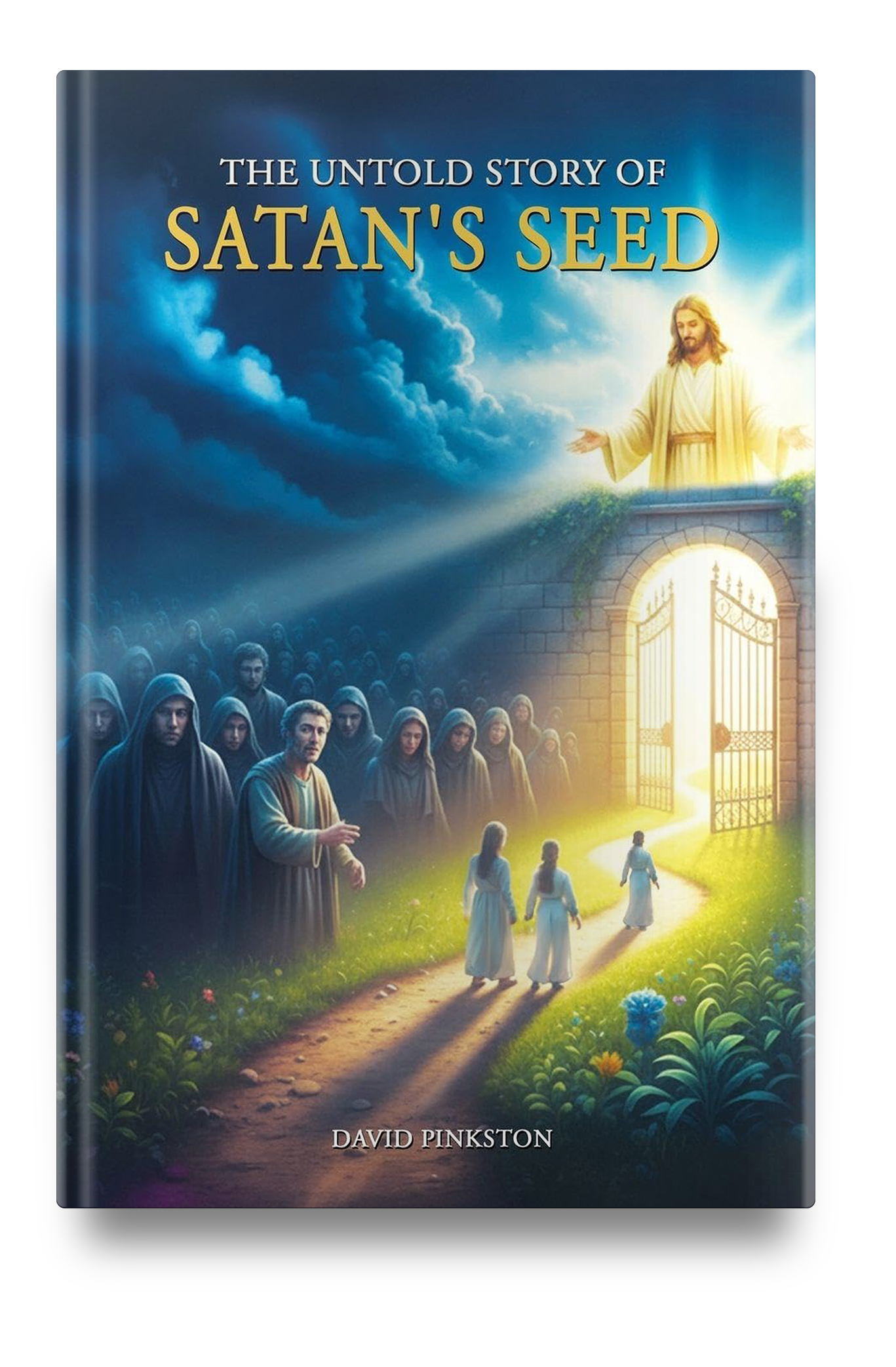
The central theme of this work is delving into known and lesser-known parts of the Bible. Author David Pinkston opens with a note of caution telling his readers to remember they are responsible for their own thinking. He breaks down the importance of examining Christian ideology as it currently stands. Kisah Benih Setan yang Tak Terungkap reveals all the ways that people today have allowed themselves to be touched by Satan. Pinkston writes that we have all fallen prey to lies and counterfeit Gods. The author writes in detail about various symbols which point to the power of God and the lies and falsehood that identify Satan. For example, he dives into the good luck of the number 7, the importance of choice, and time-based revelations. Each of those concepts points at God as real and tangible with Satan hiding around the corner to imitate.
From the first to the last chapter the reader gets a thorough breakdown of the promises and prophecies in scripture. In one of these breakdowns, Pinkston explains how those during the time before Christ counted weeks and days differently from modern people. While each revelation is interesting and nuanced it feels a bit like gold mining, wading through Bible verses to get to Pinkston’s theories. Kisah Benih Setan yang Tak Terungkap upends Christian complacency to reexamine the way believers practice their faith.
While Pinkston does an excellent job of reminding his readers that he is no authority on the topic of the book as a reader it is hard to ignore his authoritative tone. Sedangkan Pinkston tidak memaksakan pandangannya kepada pembaca, dia menyajikan perspektifnya dengan keyakinan dan kejelasan, offering a focused interpretation of the themes he explores. In the middle chapters, he thoughtfully examines the presence and influence of evil in the world, emphasizing the importance of spiritual awareness while continuing to reinforce his belief in the ultimate triumph of purity and light.
The final chapters are a call for all readers to become more forgiving and to accept the gifts of grace and wisdom. This thought-provoking work is rich with Biblical scripture and offers readers an in-depth exploration of longstanding Christian traditions and beliefs, inviting thoughtful reflection on the foundations and interpretations that have shaped them. Pinkston achieves his goals of telling the story of Satan’s seed, however it would be slightly easier to read if it was more clearly broken into two halves, the traditional perspective weighed against Pinkston’s conviction. Overall, Pinkston challenges readers to reflect on their relationship with God and the unseen forces influencing the world. This thought-provoking book urges believers to pursue discernment, accountability, and a deeper understanding of God’s Word.
In response to: Resensi Buku Pasifik – Kisah Benih Setan yang Tak Terungkap
This Post Has One Comment
David Pinkston – Tanggapan terhadap Resensi Buku Pasifik
Thank you for taking the time to review The Untold Story of Satan’s Seed. Saya menyambut keterlibatan yang bijaksana, as this work was written to encourage readers to examine scripture carefully and take personal responsibility for their understanding before God.
At the same time, it is important to respectfully address several points where the review reflects clear inaccuracies and mischaracterizations of the book’s content.
Pertama, mengenai angka tujuh.
Ulasan tersebut merujuknya dengan cara yang tidak mencerminkan apa yang tertulis. Buku ini tidak menampilkan tujuh sebagai angka “keberuntungan”.. Dalam kitab suci, it consistently represents completion and finality within God’s order, dan itulah konteks penggunaannya. Ini bukan soal penafsiran, namun merupakan prinsip alkitabiah yang sudah mapan.
Kedua, mengenai implikasi penalaran selektif.
Anggapan bahwa karya tersebut menyerupai “penambangan emas” untuk mendukung teori pribadi tidak didukung oleh isi buku tersebut. Metodologi yang disajikan tidak selektif. It is based on demonstrating continuity and alignment across scripture, mencakup banyak penulis dan generasi, semuanya menunjuk pada pesan terpadu yang berpusat pada Kristus. Tujuannya bukan untuk memaksakan keyakinan, but to present what is written in its consistency and allow each reader to discern for themselves.
Seperti yang tertulis dalam Amsal:
“Semua perkataan mulutku adalah kebenaran; tidak ada yang salah atau salah di dalamnya.
Semuanya jelas bagi dia yang mengerti, dan tepat bagi mereka yang mencari ilmu.
Terimalah instruksiku, dan bukan perak; dan pengetahuan daripada emas pilihan.
Karena hikmah lebih baik dari pada batu delima; dan segala hal yang mungkin diinginkan tidak dapat dibandingkan dengannya.”
Amsal 8:8–11
Ketiga, mengenai karakterisasi karya sebagai “interpretasi”.
Hal ini tidak menggambarkan secara akurat pendekatan yang diambil. The book consistently emphasizes that readers are not required to accept the author’s conclusions. Alih-alih, kitab suci disajikan secara langsung, paling sering dengan kata-katanya sendiri, dengan harapan setiap individu memeriksanya secara pribadi. Keyakinan tidak diberikan. Ini adalah masalah tanggung jawab individu.
Keempat, mengenai konsep kasih karunia.
Pernyataan bahwa buku tersebut menyajikan anugerah sebagai anugerah tidak sejalan dengan apa yang tertulis. Posisinya mengikuti kata-kata yang ditemukan dalam Injil, where what we receive is tied to what we are. Rahmat diberikan kepada yang penyayang, pengampunan bagi mereka yang memaafkan, dan kasih karunia berhubungan dengan kondisi hati. Seperti yang tertulis, “kasih karunia demi kasih karunia” (Yohanes 1:16). Perbedaan ini merupakan inti dari pesan tersebut.
Akhirnya, mengenai struktur dan presentasi.
Pembaca yang berbeda akan memiliki preferensi yang berbeda pula. The format was intentionally designed to present a complete and connected view of scripture, daripada memisahkan ide-ide yang belum tentu dimaksudkan untuk dipahami bersama.
Karya ini tidak ditulis untuk menegaskan kenyamanan, but to encourage reflection, penyelidikan, dan pertanggungjawaban dihadapan Tuhan. Dapat dipahami bahwa tidak semua pembaca akan setuju, dan itu adalah pilihan individu. Namun, disagreement should be grounded in what is actually presented, daripada dalam asumsi yang tidak sejalan dengan teks.
Saya berpegang teguh pada penelitian ini, kitab suci, dan maksud di balik pekerjaan ini.
Dengan hormat,
David Pinkston