


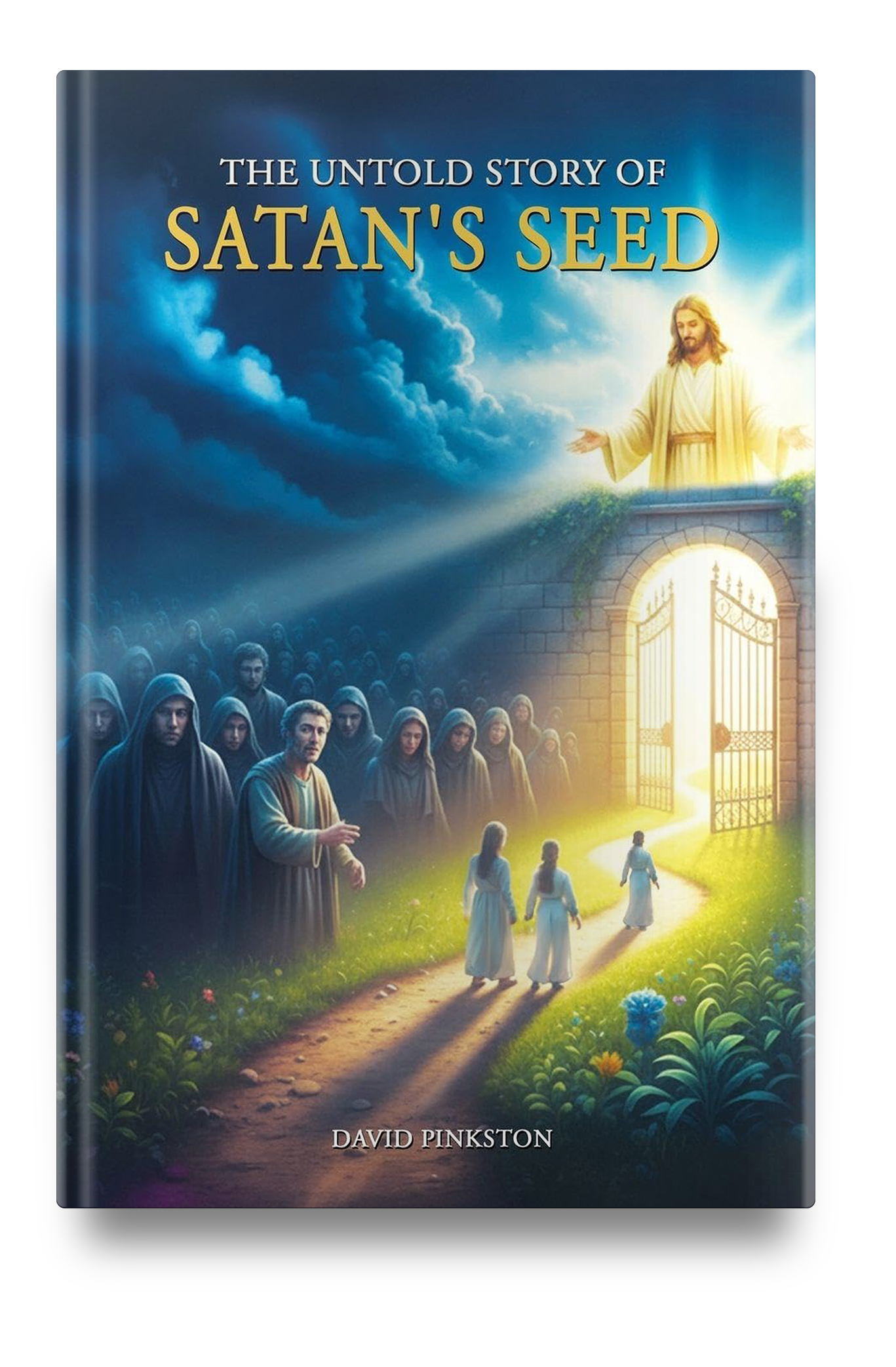
- Critique de livre
Critique de livre du Pacifique
AUTEUR
David Pinkston
ÉDITEUR
Writer’s Branding
ISBN
978-88953-1420-3
PAGES / GENRE
144
CRITIQUE ORIGIN
— Reviewed by Christa Hill
Plus d'avis
The central theme of this work is delving into known and lesser-known parts of the Bible. Author David Pinkston opens with a note of caution telling his readers to remember they are responsible for their own thinking. He breaks down the importance of examining Christian ideology as it currently stands. L’histoire inédite de la semence de Satan reveals all the ways that people today have allowed themselves to be touched by Satan. Pinkston writes that we have all fallen prey to lies and counterfeit Gods. The author writes in detail about various symbols which point to the power of God and the lies and falsehood that identify Satan. For example, he dives into the good luck of the number 7, the importance of choice, and time-based revelations. Each of those concepts points at God as real and tangible with Satan hiding around the corner to imitate.
From the first to the last chapter the reader gets a thorough breakdown of the promises and prophecies in scripture. In one of these breakdowns, Pinkston explains how those during the time before Christ counted weeks and days differently from modern people. While each revelation is interesting and nuanced it feels a bit like gold mining, wading through Bible verses to get to Pinkston’s theories. L’histoire inédite de la semence de Satan upends Christian complacency to reexamine the way believers practice their faith.
While Pinkston does an excellent job of reminding his readers that he is no authority on the topic of the book as a reader it is hard to ignore his authoritative tone. Même si Pinkston n'impose pas son point de vue au lecteur, il présente son point de vue avec conviction et clarté, offering a focused interpretation of the themes he explores. In the middle chapters, he thoughtfully examines the presence and influence of evil in the world, emphasizing the importance of spiritual awareness while continuing to reinforce his belief in the ultimate triumph of purity and light.
The final chapters are a call for all readers to become more forgiving and to accept the gifts of grace and wisdom. This thought-provoking work is rich with Biblical scripture and offers readers an in-depth exploration of longstanding Christian traditions and beliefs, inviting thoughtful reflection on the foundations and interpretations that have shaped them. Pinkston achieves his goals of telling the story of Satan’s seed, however it would be slightly easier to read if it was more clearly broken into two halves, the traditional perspective weighed against Pinkston’s conviction. Overall, Pinkston challenges readers to reflect on their relationship with God and the unseen forces influencing the world. This thought-provoking book urges believers to pursue discernment, accountability, and a deeper understanding of God’s Word.
In response to: Critique de livre du Pacifique – L’histoire inédite de la semence de Satan
Cette publication a un commentaire
David Pinkston – Réponse à la critique de livre du Pacifique
Thank you for taking the time to review The Untold Story of Satan’s Seed. J'apprécie un engagement réfléchi, as this work was written to encourage readers to examine scripture carefully and take personal responsibility for their understanding before God.
At the same time, it is important to respectfully address several points where the review reflects clear inaccuracies and mischaracterizations of the book’s content.
D'abord, concernant le chiffre sept.
La revue y fait référence d'une manière qui ne reflète pas ce qui est écrit. Le livre ne présente pas le sept comme un chiffre « porte-bonheur ». Dans les Écritures, it consistently represents completion and finality within God’s order, et c'est le contexte dans lequel il est utilisé. Ce n'est pas une question d'interprétation, mais un principe biblique bien établi.
Deuxième, concernant l'implication du raisonnement sélectif.
La suggestion selon laquelle l'ouvrage ressemble à une « mine d'or » pour étayer une théorie personnelle n'est pas étayée par le contenu du livre.. La méthodologie présentée n’est pas sélective. It is based on demonstrating continuity and alignment across scripture, couvrant plusieurs auteurs et générations, tous pointant vers un message unifié centré sur le Christ. Le but n'est pas d'imposer une croyance, but to present what is written in its consistency and allow each reader to discern for themselves.
Comme écrit dans les Proverbes:
"Toutes les paroles de ma bouche sont dans la justice; il n'y a rien de rebelle ou de pervers en eux.
Ils sont tous clairs pour celui qui comprend, et droit à ceux qui trouvent la connaissance.
Recevoir mes instructions, et pas d'argent; et la connaissance plutôt que l'or de choix.
Car la sagesse vaut mieux que les rubis; et tout ce qu’on peut désirer ne lui est pas comparable.
Proverbes 8:8–11
Troisième, concernant la qualification de l’œuvre comme « interprétation ».
Cela ne décrit pas avec précision l’approche adoptée. The book consistently emphasizes that readers are not required to accept the author’s conclusions. Plutôt, l'Écriture est présentée directement, le plus souvent avec ses propres mots, dans l'attente que chaque individu l'examine personnellement. La croyance n'est pas assignée. C'est une question de responsabilité individuelle.
Quatrième, concernant le concept de grâce.
L'affirmation selon laquelle le livre présente la grâce comme un don ne correspond pas à ce qui est écrit.. La position suit les paroles trouvées dans les Évangiles, where what we receive is tied to what we are. La miséricorde est donnée aux miséricordieux, pardon à ceux qui pardonnent, et la grâce est liée à la condition du cœur. Comme écrit, « grâce pour grâce » (John 1:16). Cette distinction est au cœur du message.
Enfin, concernant la structure et la présentation.
Différents lecteurs auront des préférences différentes. The format was intentionally designed to present a complete and connected view of scripture, plutôt que de séparer des idées qui ne sont pas nécessairement censées être comprises ensemble.
Cet ouvrage n'a pas été écrit pour affirmer le confort, but to encourage reflection, examen, et responsabilité devant Dieu. Il est entendu que tous les lecteurs ne seront pas d'accord, et c'est le choix de chacun. Cependant, disagreement should be grounded in what is actually presented, plutôt que dans des hypothèses qui ne correspondent pas au texte.
Je soutiens fermement la recherche, l'écriture, et l'intention derrière ce travail.
Respectueusement,
David Pinkston