


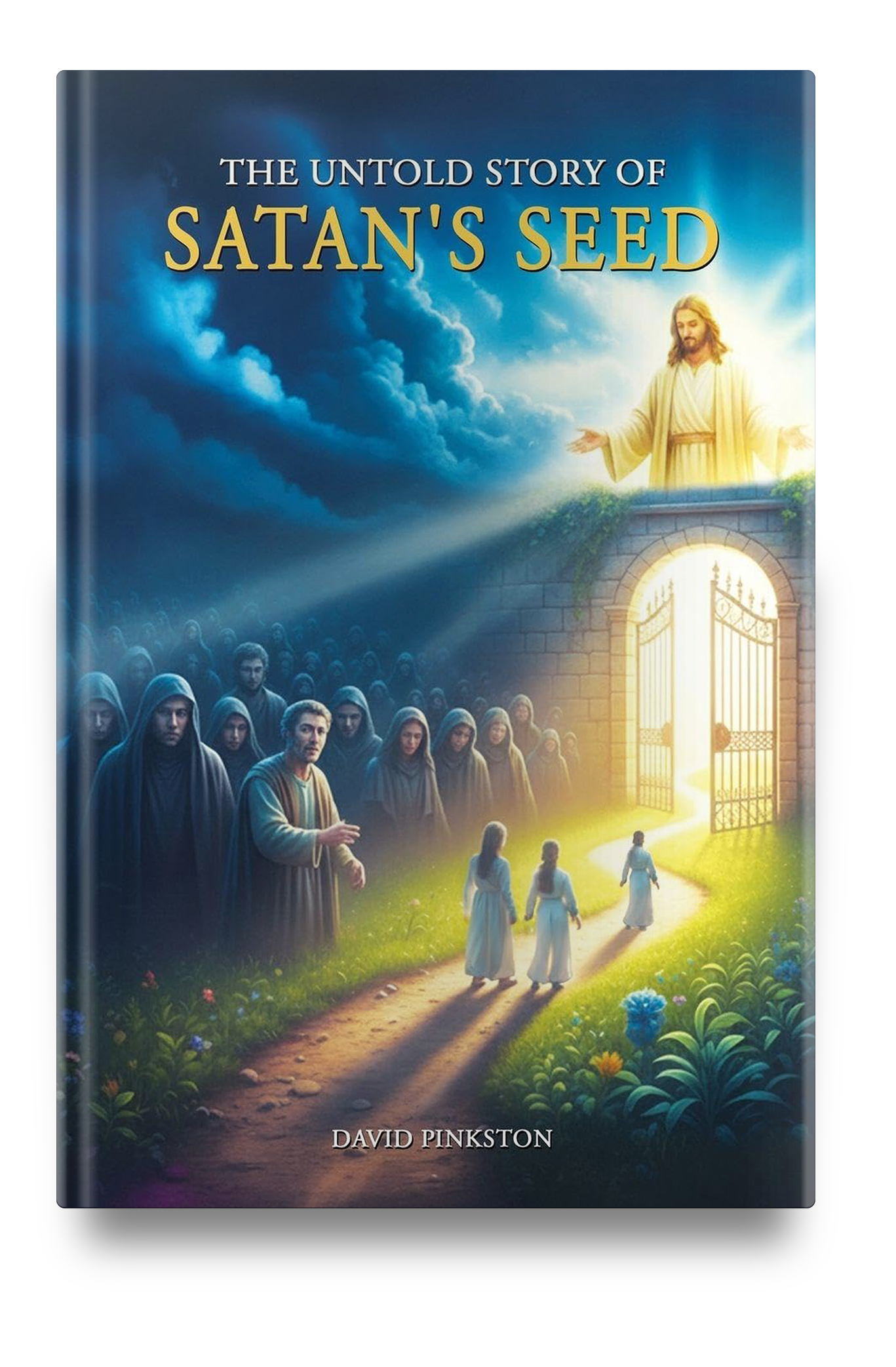
- Pagsusuri ng libro
Pagsusuri ng Aklat sa Pasipiko
AUTHOR
David Pinkston
PUBLISHER
Writer’s Branding
ISBN
978-88953-1420-3
PAGE / GENRE
144
ORIGIN REVIEW
— Reviewed by Christa Hill
Higit pang Mga Review
The central theme of this work is delving into known and lesser-known parts of the Bible. Author David Pinkston opens with a note of caution telling his readers to remember they are responsible for their own thinking. He breaks down the importance of examining Christian ideology as it currently stands. Ang Hindi Masasabing Kuwento ng Binhi ni Satanas reveals all the ways that people today have allowed themselves to be touched by Satan. Pinkston writes that we have all fallen prey to lies and counterfeit Gods. The author writes in detail about various symbols which point to the power of God and the lies and falsehood that identify Satan. For example, he dives into the good luck of the number 7, the importance of choice, and time-based revelations. Each of those concepts points at God as real and tangible with Satan hiding around the corner to imitate.
From the first to the last chapter the reader gets a thorough breakdown of the promises and prophecies in scripture. In one of these breakdowns, Pinkston explains how those during the time before Christ counted weeks and days differently from modern people. While each revelation is interesting and nuanced it feels a bit like gold mining, wading through Bible verses to get to Pinkston’s theories. Ang Hindi Masasabing Kuwento ng Binhi ni Satanas upends Christian complacency to reexamine the way believers practice their faith.
While Pinkston does an excellent job of reminding his readers that he is no authority on the topic of the book as a reader it is hard to ignore his authoritative tone. Habang ang Pinkston ay hindi nagpapataw ng kanyang mga pananaw sa mambabasa, inilalahad niya ang kanyang pananaw nang may pananalig at kalinawan, offering a focused interpretation of the themes he explores. In the middle chapters, he thoughtfully examines the presence and influence of evil in the world, emphasizing the importance of spiritual awareness while continuing to reinforce his belief in the ultimate triumph of purity and light.
The final chapters are a call for all readers to become more forgiving and to accept the gifts of grace and wisdom. This thought-provoking work is rich with Biblical scripture and offers readers an in-depth exploration of longstanding Christian traditions and beliefs, inviting thoughtful reflection on the foundations and interpretations that have shaped them. Pinkston achieves his goals of telling the story of Satan’s seed, however it would be slightly easier to read if it was more clearly broken into two halves, the traditional perspective weighed against Pinkston’s conviction. Overall, Pinkston challenges readers to reflect on their relationship with God and the unseen forces influencing the world. This thought-provoking book urges believers to pursue discernment, accountability, and a deeper understanding of God’s Word.
In response to: Pagsusuri ng Aklat sa Pasipiko – Ang Hindi Masasabing Kuwento ng Binhi ni Satanas
Ang Post na ito ay May Isang Komento
David Pinkston – Tugon sa Pacific Book Review
Thank you for taking the time to review The Untold Story of Satan’s Seed. Tinatanggap ko ang maalalahanin na pakikipag-ugnayan, as this work was written to encourage readers to examine scripture carefully and take personal responsibility for their understanding before God.
At the same time, it is important to respectfully address several points where the review reflects clear inaccuracies and mischaracterizations of the book’s content.
Una, tungkol sa bilang na pito.
Tinutukoy ito ng pagsusuri sa paraang hindi sumasalamin sa nakasulat. Ang aklat ay hindi nagpapakita ng pito bilang isang "good luck" na numero. Sa banal na kasulatan, it consistently represents completion and finality within God’s order, at iyon ang konteksto kung saan ito ginagamit. Hindi ito usapin ng interpretasyon, ngunit isang mahusay na itinatag na prinsipyo ng Bibliya.
Pangalawa, hinggil sa implikasyon ng selective reasoning.
Ang mungkahi na ang gawain ay kahawig ng "pagmimina ng ginto" upang suportahan ang isang personal na teorya ay hindi sinusuportahan ng nilalaman ng libro. Ang pamamaraang ipinakita ay hindi pumipili. It is based on demonstrating continuity and alignment across scripture, sumasaklaw sa maraming may-akda at henerasyon, lahat ay tumuturo sa isang pinag-isang mensahe na nakasentro kay Kristo. Ang layunin ay hindi upang magpataw ng paniniwala, but to present what is written in its consistency and allow each reader to discern for themselves.
Gaya ng nakasulat sa Kawikaan:
“Lahat ng mga salita ng aking bibig ay nasa katuwiran; walang suwail o suwail sa kanila.
Lahat sila ay malinaw sa kaniya na nakakaunawa, at matuwid sa mga nakakasumpong ng kaalaman.
Tanggapin ang aking tagubilin, at hindi pilak; at kaalaman kaysa piniling ginto.
Sapagka't ang karunungan ay maigi kaysa sa mga rubi; at ang lahat ng bagay na maaaring ninanais ay hindi maihahambing dito.”
Kawikaan 8:8–11
Pangatlo, hinggil sa katangian ng akda bilang “interpretasyon.”
Hindi ito tumpak na naglalarawan ng diskarte na ginawa. The book consistently emphasizes that readers are not required to accept the author’s conclusions. sa halip, ang banal na kasulatan ay direktang iniharap, kadalasan sa sarili nitong mga salita, na may pag-asang personal itong suriin ng bawat indibidwal. Ang paniniwala ay hindi itinalaga. Ito ay usapin ng indibidwal na responsibilidad.
Pang-apat, tungkol sa konsepto ng biyaya.
Ang pahayag na ang aklat ay nagpapakita ng biyaya bilang isang regalo ay hindi nakaayon sa kung ano ang nakasulat. Ang posisyon ay sumusunod sa mga salita na matatagpuan sa mga Ebanghelyo, where what we receive is tied to what we are. Ang awa ay ibinibigay sa mga mahabagin, pagpapatawad sa mga nagpapatawad, at ang biyaya ay konektado sa kalagayan ng puso. Gaya ng nakasulat, “biyaya sa biyaya” (John 1:16). Ang pagkakaibang ito ay sentro ng mensahe.
Sa wakas, tungkol sa istruktura at presentasyon.
Ang iba't ibang mga mambabasa ay magkakaroon ng iba't ibang mga kagustuhan. The format was intentionally designed to present a complete and connected view of scripture, sa halip na paghiwalayin ang mga ideya na hindi naman sinadya upang maunawaan nang magkasama.
Ang gawaing ito ay hindi isinulat upang pagtibayin ang kaginhawahan, but to encourage reflection, pagsusuri, at pananagutan sa harap ng Diyos. Nauunawaan na hindi lahat ng mambabasa ay sasang-ayon, at iyon ay pagpili ng isang indibidwal. Gayunpaman, disagreement should be grounded in what is actually presented, sa halip na sa mga pagpapalagay na hindi umaayon sa teksto.
Matatag akong naninindigan sa pananaliksik, ang banal na kasulatan, at ang layunin sa likod ng gawaing ito.
Magalang,
David Pinkston