


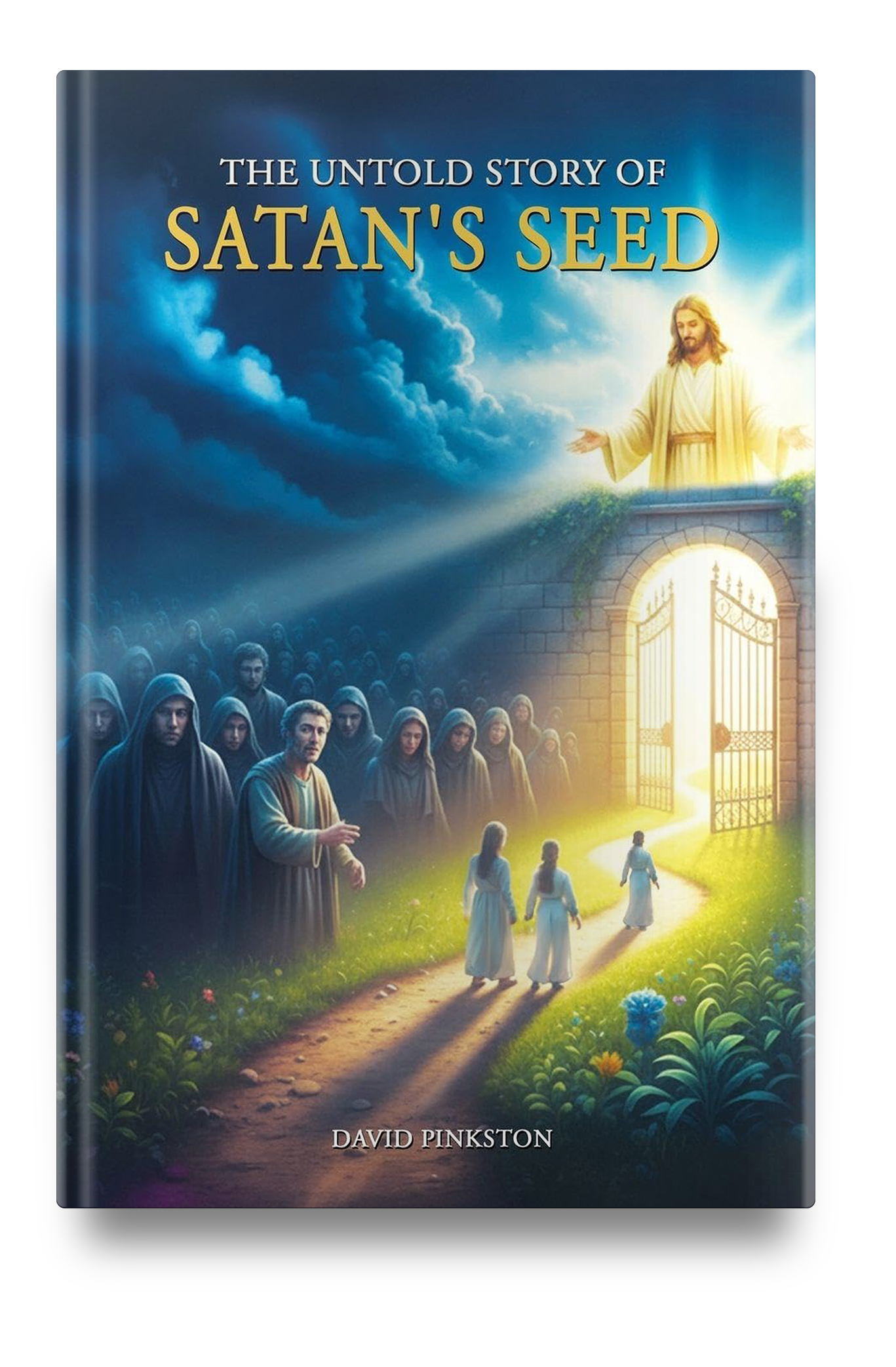
- Рецензия на книгу
Тихоокеанское книжное обозрение
АВТОР
Дэвид Пинкстон
ИЗДАТЕЛЬ
Брендинг писателя
ISBN
978-88953-1420-3
СТРАНИЦЫ / ЖАНР
144
ОБЗОР ПРОИСХОЖДЕНИЯ
— Reviewed by Christa Hill
Больше отзывов
The central theme of this work is delving into known and lesser-known parts of the Bible. Author David Pinkston opens with a note of caution telling his readers to remember they are responsible for their own thinking. He breaks down the importance of examining Christian ideology as it currently stands. Нерассказанная история семени сатаны reveals all the ways that people today have allowed themselves to be touched by Satan. Pinkston writes that we have all fallen prey to lies and counterfeit Gods. The author writes in detail about various symbols which point to the power of God and the lies and falsehood that identify Satan. For example, he dives into the good luck of the number 7, the importance of choice, and time-based revelations. Each of those concepts points at God as real and tangible with Satan hiding around the corner to imitate.
From the first to the last chapter the reader gets a thorough breakdown of the promises and prophecies in scripture. In one of these breakdowns, Pinkston explains how those during the time before Christ counted weeks and days differently from modern people. While each revelation is interesting and nuanced it feels a bit like gold mining, wading through Bible verses to get to Pinkston’s theories. Нерассказанная история семени сатаны upends Christian complacency to reexamine the way believers practice their faith.
While Pinkston does an excellent job of reminding his readers that he is no authority on the topic of the book as a reader it is hard to ignore his authoritative tone. При этом Пинкстон не навязывает читателю своих взглядов., он представляет свою точку зрения убедительно и ясно, offering a focused interpretation of the themes he explores. In the middle chapters, he thoughtfully examines the presence and influence of evil in the world, emphasizing the importance of spiritual awareness while continuing to reinforce his belief in the ultimate triumph of purity and light.
The final chapters are a call for all readers to become more forgiving and to accept the gifts of grace and wisdom. This thought-provoking work is rich with Biblical scripture and offers readers an in-depth exploration of longstanding Christian traditions and beliefs, inviting thoughtful reflection on the foundations and interpretations that have shaped them. Pinkston achieves his goals of telling the story of Satan’s seed, however it would be slightly easier to read if it was more clearly broken into two halves, the traditional perspective weighed against Pinkston’s conviction. Overall, Pinkston challenges readers to reflect on their relationship with God and the unseen forces influencing the world. This thought-provoking book urges believers to pursue discernment, accountability, and a deeper understanding of God’s Word.
In response to: Тихоокеанское книжное обозрение – Нерассказанная история семени сатаны
This Post Has One Comment
Дэвид Пинкстон – Ответ на Pacific Book Review
Thank you for taking the time to review The Untold Story of Satan’s Seed. Я приветствую вдумчивое взаимодействие, as this work was written to encourage readers to examine scripture carefully and take personal responsibility for their understanding before God.
At the same time, it is important to respectfully address several points where the review reflects clear inaccuracies and mischaracterizations of the book’s content.
Первый, по поводу числа семь.
В обзоре ссылка на него не соответствует тому, что написано.. В книге семь не представлено как число «удачи».. В Священном Писании, it consistently represents completion and finality within God’s order, и это контекст, в котором он используется. Это не вопрос интерпретации, но устоявшийся библейский принцип.
Второй, относительно последствий избирательного рассуждения.
Предположение о том, что эта работа напоминает «добычу золота», чтобы поддержать личную теорию, не подтверждается содержанием книги.. Представленная методология не является избирательной.. It is based on demonstrating continuity and alignment across scripture, охватывающая несколько авторов и поколений, все указывает на единое послание, сосредоточенное на Христе. Цель не в том, чтобы навязать веру, but to present what is written in its consistency and allow each reader to discern for themselves.
Как написано в Притчах:
«Все слова уст моих — в праведности; в них нет ничего предосудительного и извращенного.
Все они ясны тому, кто понимает, и право на тех, кто находит знание.
Получите мою инструкцию, и не серебро; и знания, а не отборное золото.
Ибо мудрость лучше рубинов; и все, чего можно желать, не может сравниться с ним».
Пословицы 8:8–11
Третий, относительно характеристики произведения как «интерпретации».
Это не совсем точно описывает принятый подход. The book consistently emphasizes that readers are not required to accept the author’s conclusions. Вместо, Священное Писание представлено непосредственно, чаще всего своими словами, с ожиданием, что каждый изучит это лично. Вера не назначена. Это вопрос индивидуальной ответственности.
Четвертый, относительно понятия благодати.
Утверждение о том, что в книге благодать представлена как дар, не соответствует тому, что написано.. Позиция соответствует словам из Евангелий., where what we receive is tied to what we are. Милосердие дается милостивым, прощение тем, кто прощает, а благодать связана с состоянием сердца. Как написано, «благодать за благодать» (Джон 1:16). Это различие является центральным в послании.
Окончательно, по структуре и изложению.
У разных читателей будут разные предпочтения.. The format was intentionally designed to present a complete and connected view of scripture, а не разделять идеи, которые не обязательно должны пониматься вместе.
Эта работа была написана не для того, чтобы утвердить комфорт., but to encourage reflection, обследование, и ответственность перед Богом. Понятно, что не все читатели согласятся, и это выбор человека. Однако, disagreement should be grounded in what is actually presented, а не в предположениях, которые не согласуются с текстом.
Я твердо поддерживаю исследования, Священное Писание, и цель этой работы.
С уважением,
Дэвид Пинкстон